

Lower back pain when sitting is a common issue, particularly for people who spend long hours at a desk or working from home. While sitting may seem like a restful position, remaining seated for prolonged periods, especially with poor posture, can place significant strain on the lower spine.
Over time, this can lead to discomfort, stiffness, and in some cases persistent back pain that interferes with daily life. Understanding why sitting causes lower back pain and what you can do to relieve it is key to managing symptoms and preventing recurrence.
Why Does Sitting Cause Lower Back Pain?
When you sit for extended periods, particularly beyond 20 minutes, the lumbar spine is placed under sustained pressure. This effect is often increased when sitting in a slouched or unsupported position.
The spine is designed to move regularly and distribute load efficiently. However, prolonged sitting reduces movement, alters posture, and can increase stress on spinal structures. This may contribute to what many people experience as sitting posture pain, particularly in the lower back.
In clinical practice, it is common to see patients whose symptoms have developed gradually due to repetitive strain rather than a single injury.
Common Causes of Lower Back Pain When Sitting
Lower back pain when sitting rarely has a single cause. More often, it develops due to a combination of mechanical and lifestyle factors.
Increased Spinal Pressure
Sitting places more pressure on the lumbar spine than standing, particularly when leaning forward or slouching. This increased load can place strain on spinal joints and surrounding tissues, contributing to discomfort over time.
Loss of Natural Spinal Curvature
Poor sitting posture can reduce the natural curve of the lower back. When this curve is not maintained, stress may be transferred to the intervertebral discs and supporting structures, increasing the likelihood of pain and stiffness.
Muscle Fatigue and Reduced Core Support
The muscles of the lower back and core play an important role in supporting the spine. When sitting for long periods, especially with poor posture, these muscles can become fatigued. Over time, reduced muscle support may contribute to ongoing discomfort.
Disc Compression
Intervertebral discs act as cushions between the vertebrae. Prolonged sitting may increase pressure on these discs, which in some cases can contribute to irritation or sensitivity in the lower back.
Reduced Blood Flow
Remaining in one position for too long can limit circulation. Reduced blood flow to muscles and soft tissues may lead to stiffness, tightness, and discomfort when sitting for extended periods.
While these factors are common, each individual’s experience of back pain is different. Identifying the underlying cause is important for selecting the most appropriate approach to back pain relief.
Relief Options for Lower Back Pain When Sitting
Although sitting-related back pain is common, there are several practical steps that may help reduce discomfort and support spinal health. Consistency is key, and small adjustments can make a meaningful difference over time.
Improving Sitting Posture
Maintaining a neutral sitting position can help reduce strain on the lower back. This includes keeping both feet flat on the floor, positioning the knees at or slightly below hip level, and supporting the natural curve of the lumbar spine.
Using a chair with built-in lumbar support, or adding a cushion, may help encourage a more supported posture during longer periods of sitting.
Taking Regular Movement Breaks
One of the most effective strategies for managing lower back pain when sitting is to avoid remaining in one position for too long.
A simple approach often recommended is the 20-8-2 rule:
- Sit for 20 minutes
- Stand for 8 minutes
- Move or stretch for 2 minutes
Regular movement helps reduce stiffness, encourages circulation, and may improve overall comfort throughout the day.
Strengthening Core Muscles
Improving core strength can provide better support for the spine. Exercises such as planks, bird dogs and glute bridges are commonly recommended to help build stability in the lower back and surrounding muscles.
A structured exercise plan should always be appropriate to the individual and may be guided by a healthcare professional where needed.
Stretching Tight Muscles
Tight muscles around the hips and legs can contribute to lower back strain. Stretching the hamstrings and hip flexors may help reduce tension and improve mobility, particularly for individuals who sit for long periods.
Using Ergonomic Equipment
Workspace setup plays an important role in reducing sitting posture pain. An adjustable chair, a desk at the correct height, and a screen positioned at eye level can all support better posture.
Sit-stand desks can also be helpful, allowing you to alternate between sitting and standing throughout the day.
When to Seek Professional Advice
While many cases of lower back pain when sitting improve with simple adjustments, professional advice may be beneficial if symptoms persist or worsen.
You should consider seeking help if:
- Pain lasts longer than a few weeks
- Symptoms are affecting daily activities or sleep
- Pain is becoming more frequent or intense
- There is associated numbness, tingling, or weakness
A proper assessment can help identify contributing factors and guide appropriate management.
How Chiropractic and Physiotherapy Can Help
For individuals experiencing ongoing discomfort, conservative care such as chiropractic or physiotherapy may be considered.
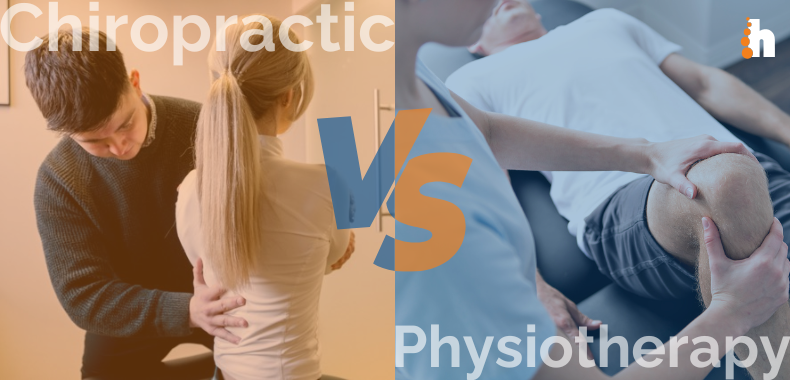
Chiropractic care focuses on improving spinal movement, reducing irritation, and addressing mechanical factors that may contribute to pain. Treatment may include manual techniques, soft tissue work, and advice on posture and movement.
Physiotherapy, on the other hand, often centres on rehabilitation, using strengthening exercises, mobility work, and functional movement patterns to support long-term recovery.
Both approaches are tailored to the individual, taking into account symptoms, lifestyle, and overall health, and may play a valuable role in helping people move more comfortably and confidently.
Final Thoughts
Lower back pain when sitting is increasingly common, particularly in modern work environments where prolonged sitting is difficult to avoid. While the causes are often multifactorial, small and consistent changes to posture, movement, and daily habits can make a significant difference.
If symptoms persist, a professional assessment can help identify the underlying cause and guide an appropriate plan for back pain relief. Early intervention and a proactive approach to spinal health are key to preventing longer-term issues.
References
- National Health Service (NHS). (2023). Back pain. https://www.nhs.uk/conditions/back-pain/
- National Health Service (NHS). (2023). Physiotherapy. https://www.nhs.uk/conditions/physiotherapy/
- National Institute for Health and Care Excellence (NICE). (2020). Low back pain and sciatica in over 16s: assessment and management (NG59). https://www.nice.org.uk/guidance/ng59
- British Chiropractic Association. (2022). Back pain facts and advice. https://chiropractic-uk.co.uk
.png)
.png)
.png)
.png)
.png)


